
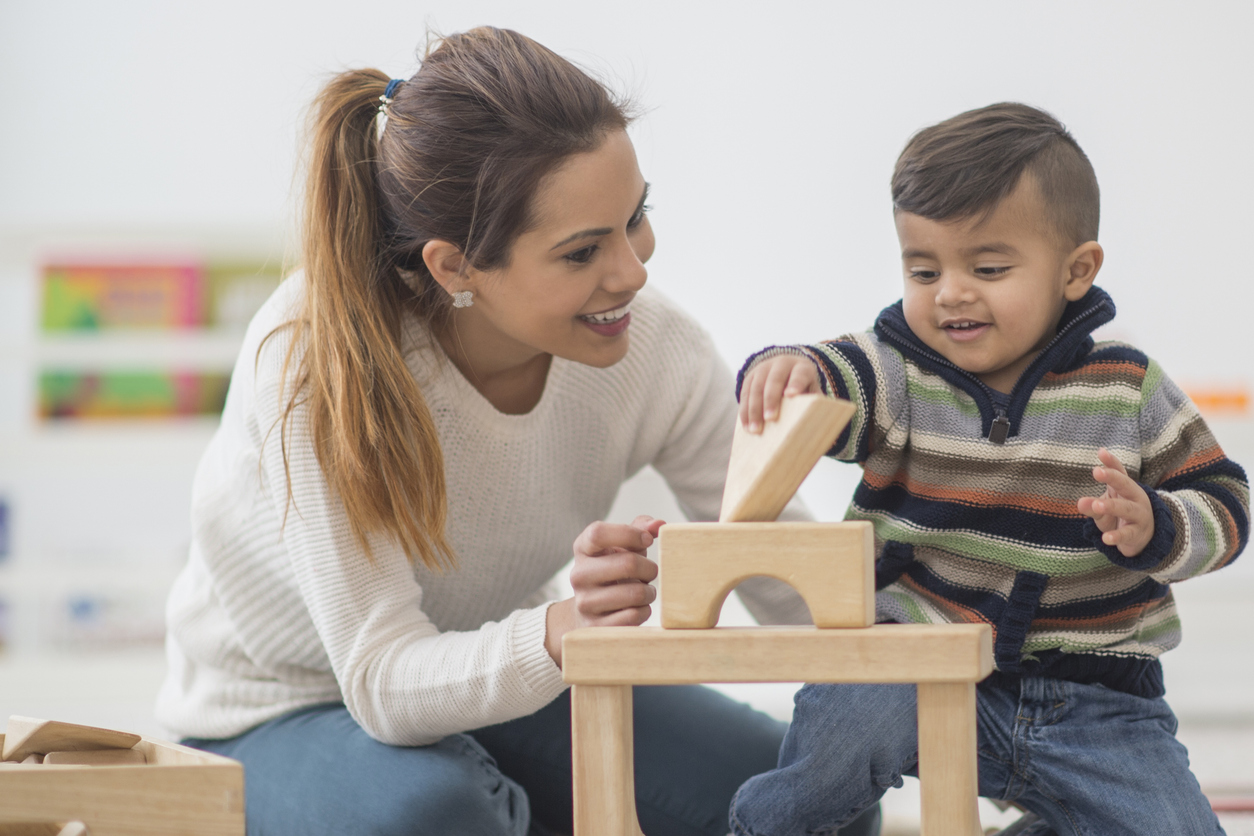
If you’re raising a child with autism, you may find that deciding on the right support and therapies can feel overwhelming. Applied Behavior Analysis (ABA) therapy, is a widely used and evidence-based approach for children with autism and other developmental delays, but it’s also one that comes with questions: “Is it right for my child?” “How will ABA help my child with autism?” “Will my child enjoy it?”
This guide, developed by the team at Kyo, explains what ABA therapy is, the skills it can support, and how to decide whether ABA therapy is the right fit for your child.
What is ABA Therapy?
ABA therapy is an individualized, evidence-based approach rooted in understanding how behavior works. ABA therapy helps children with autism:
- Learn new skills
- Reduce behaviors that interfere with daily life
- Build independence at home, school, and in their community
At its core, ABA is not about forcing children to conform—it’s about supporting children with autism to communicate, engage, and thrive in ways that work for them.
ABA Therapy Improves Communication Skills
Communication is one of the most common areas where children benefit from ABA. Some children may be nonverbal while others struggle to express their feelings or needs. ABA programs adapt to each child, whether that means building spoken language, using sign language, or incorporating assistive communication devices.
The goal isn’t just to teach words, but to help children use language to advocate for themselves, share joy, and connect with others.
ABA Therapy Builds Social Skills
For many children with autism, social moments can feel overwhelming. ABA helps by breaking social interaction into manageable steps—like taking turns, joining play, or starting conversations. The most effective programs practice these skills in natural settings (home, school, or the community) so children can practice skills in real life, not just in a therapy setting.
ABA Therapy Supports Daily Living Skills
Activities of Daily Living (ADLs) like brushing teeth, getting dressed, and following routines, are essential for independence. ABA therapy focuses on building these practical skills step by step, helping children gain confidence and reducing stress for families.
ABA Therapy Decreases Challenging Behavior
Every child has tough moments, but sometimes behaviors can disrupt learning, safety, or daily routines. ABA therapy starts by asking: Why is this behavior happening?
Therapists then teach alternative strategies, like requesting help or developing self-regulation skills, so children can meet their needs in positive ways. The goal is to guide children to use calm, positive behaviors through support—not punishment.
Parent Coaching: Being a Part of the ABA Therapy Process
One of the biggest differentiators of high quality ABA is parent coaching. When caregivers learn strategies and apply them during everyday routines, children get more opportunities to practice and progress happens faster. This could mean using communication strategies at mealtime, practicing routines at bedtime, or modeling social interactions during play. A collaborative, hands-on approach helps children generalize skills beyond therapy sessions.
Consistency Matters in ABA
Consistency is key to progress. The number of weekly ABA hours varies depending on each child’s needs, but having a regular, predictable schedule helps children build skills more effectively. Families also benefit from programs like Kyo’s that offer flexible scheduling, making it easier to balance ABA therapy with school, activities, and family life.
Simple tools like Kyo’s unique scheduling app that allows parents to adjust sessions easily can also reduce the stress of coordinating therapy. These kinds of supports help families maintain consistency without adding extra burdens, making it more likely that children see steady progress over time.
What to Consider When Deciding if ABA is Right for Your Child
- What Skills or Behavior Challenges can ABA therapy help with?
- ABA therapy helps children with autism build important life skills and reduce behaviors that interfere with learning and daily life. It supports development in communication, social skills, daily living, and emotional regulation.
- How Do I Choose a High Quality ABA Provider?
- Applied Behavior Analysis (ABA) therapy is widely recognized as one of the most effective treatments for children with ASD, and what to look for in an ABA provider is important. Choose providers who create individualized, evidence-based treatment plans with qualified staff who prioritize collaboration and communication with your family.
In Conclusion
ABA therapy can be a powerful support for children with autism, helping them build communication, social, and daily living skills while increasing independence. The best programs are individualized, collaborative, and respectful, with families involved every step of the way.
Kyo provides flexible ABA therapy in home, school, and community settings, with a strong emphasis on parent coaching and child-centered goals. If you’re considering ABA therapy for your child, we’d love to connect and help you explore whether it’s the right fit for your family.